
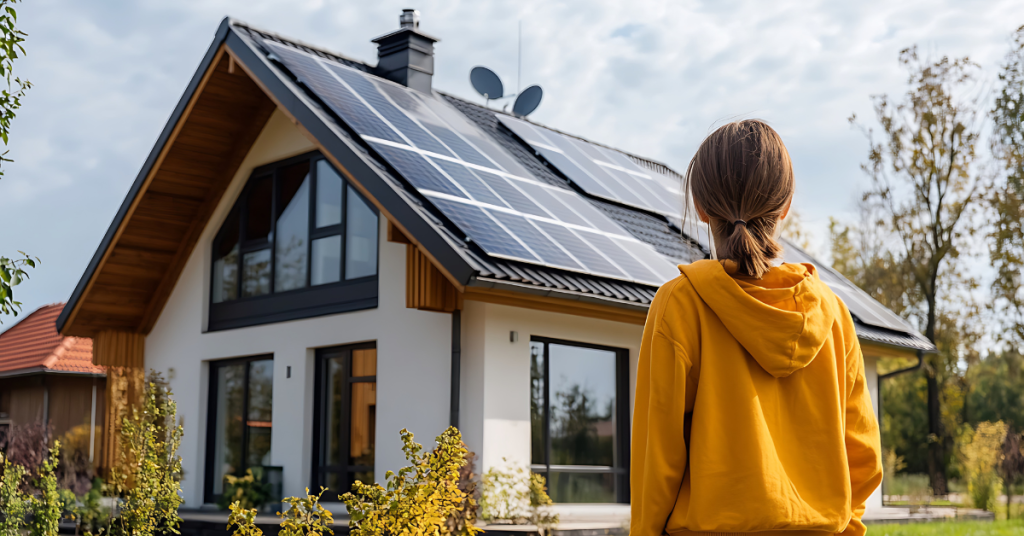
Most people think sustainability starts with large-scale changes: national policies, green infrastructure or corporate responsibility. But in reality, a greener future begins much closer: inside our homes. The way we heat, cool, consume, clean and organise our daily routines directly affects how many resources we use and how much waste we create.
The good news is that small steps, practised consistently, lead to real impact. And with today’s smart technologies becoming more accessible, creating a sustainable household has never been easier. From conscious consumption to smart heating automation, here are 7 practical habits that help you live more sustainably without giving up comfort.
1. Use Energy Mindfully (Especially Heating)
Heating is one of the biggest energy consumers in European households. Even lowering indoor temperature by 1°C can cut heating costs and emissions by up to 6 percent. Most people keep their homes warmer than necessary simply because they forget to adjust the thermostat or don’t have a clear understanding of their actual heating needs.
A modern smart thermostat, such as eCozy, can automate these decisions for you. By learning your routines, adjusting heating when you are away and maintaining comfortable levels when you are home, it helps you avoid unnecessary energy waste. You stay comfortable – and your home becomes more sustainable with practically no effort.
2. Choose Energy-Efficient Appliances
From fridges and washing machines to lighting and entertainment devices, household appliances quietly consume electricity every hour of the day. Choosing A or A+ rated appliances may cost a little more upfront, but they significantly reduce energy use over the years.
A few smart habits to adopt:
- Use LEDs instead of incandescent bulbs
- Run washing machines at 30°C when possible
- Clean filters regularly to maintain efficiency
- Switch devices off fully instead of leaving them on standby
Think long-term: every appliance you buy is a commitment to years of resource use.
3. Reduce Waste by Reusing and Repairing
Sustainability at home is closely tied to our relationship with objects. Instead of constantly replacing items, try repairing or repurposing them. This not only reduces waste but encourages a more mindful mindset toward consumption.
Here are simple everyday habits:
- Repair small electronics before buying new ones
- Upcycle jars, boxes and containers
- Buy second-hand when possible
- Avoid single-use plastics in favour of reusable alternatives
Waste reduction isn’t about perfection, it’s about building new habits that gradually shift your lifestyle toward circular thinking.
4. Make Conscious Choices When Shopping
Every product has a footprint long before it reaches your home. By choosing higher-quality and longer-lasting items, you minimise the frequency of replacements and reduce unnecessary consumption. Whenever possible:
- Buy fewer, but better
- Support local and sustainable brands
- Look for natural materials over synthetic ones
- Prioritise products with recyclable packaging
This approach also applies to groceries. Planning meals, avoiding overbuying and storing food properly significantly reduces food waste, one of Europe’s largest environmental challenges.
5. Save Water with Smart Practices
Water scarcity is not only a global problem, it is something households can influence every day. Simple adjustments make a meaningful difference:
- Take slightly shorter showers
- Fix leaking taps immediately
- Use dual-flush toilets
- Run dishwashers and washing machines only when full
For those wanting to take another step, installing water-saving fixtures offers long-term benefits without compromising comfort.
6. Create Healthy, Green Indoor Spaces
Indoor wellbeing is often overlooked in sustainability discussions. Yet our homes influence our health, mood and long-term behaviour more than we realise.
Consider adding indoor plants that purify the air and bring a sense of calm. Choose natural cleaning products over chemical-heavy ones. Ventilate your rooms regularly to maintain healthy air quality. A peaceful and clean environment naturally encourages more sustainable habits, because it increases our awareness and connection to the spaces we live in.
7. Automate Sustainability with Smart Home Solutions
Sustainable living should not feel like a constant effort. Smart home technology helps build eco-friendly habits automatically.
Automating heating with a solution like eCozy’s intelligent thermostat ensures that energy is used only when needed. Smart plugs can cut phantom electricity use. Sensors can help monitor humidity or lighting needs.
Technology does not replace mindfulness, but it makes sustainability easier to maintain, even on busy days.
Living Sustainably Is Simpler Than It Sounds
You don’t need to completely transform your lifestyle. You only need to begin. Each of these habits creates a small shift that, over time, leads to significant reductions in energy use, waste and unnecessary consumption.
Sustainability is not a distant ideal, it is a daily practice. And the place where it matters most is the one you know best, your home.