
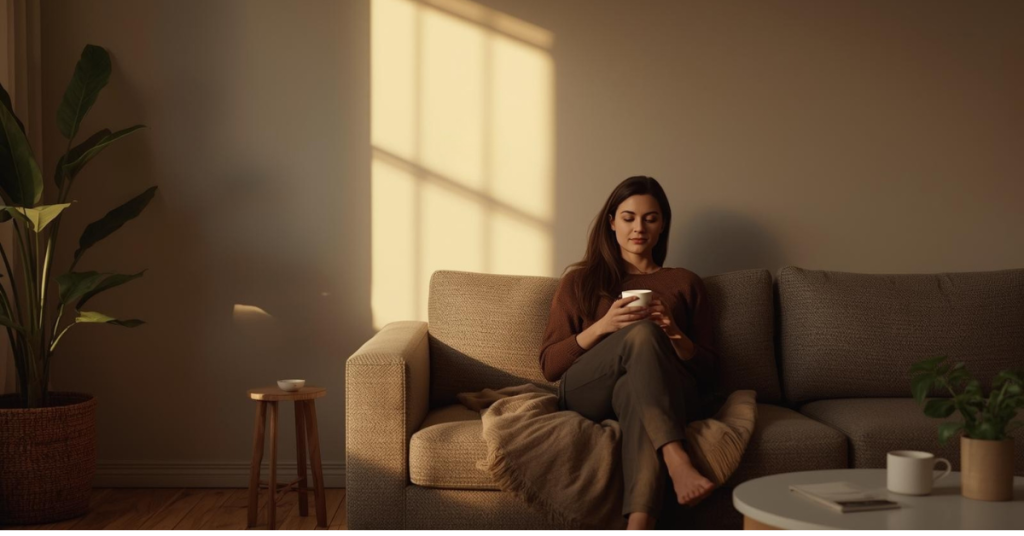
When we talk about energy efficiency in homes, the focus is often placed on numbers. Consumption levels, costs, efficiency ratings, and optimisation targets tend to shape most discussions.
These metrics are useful and necessary. At the same time, they do not fully reflect how people experience their homes on a daily basis. Comfort, although harder to measure, plays a central role in how heating systems are used, accepted, and maintained over time.
Designing with comfort in mind does not mean ignoring savings. It means recognising that energy-efficient solutions work best when they align with everyday human needs.
Comfort influences how people use heating systems
Heating systems are rarely used exactly as planned. Schedules are adjusted, automation is overridden, and settings are changed manually.
In many cases, this happens not because people reject energy efficiency, but because their immediate comfort needs are not fully met. Temperature preferences vary between individuals and even within the same household. They also change throughout the day and across seasons.
A system that does not account for these variations may technically perform well, but still feel inconvenient in practice. Over time, users naturally adapt the system to suit their comfort, even if that reduces its efficiency.
This behaviour highlights an important point: comfort strongly influences real-world usage.
Comfort and efficiency can support each other
Comfort and energy savings are often presented as opposing goals. In practice, they can reinforce each other when approached thoughtfully.
When indoor conditions feel comfortable, people are less likely to make frequent adjustments. They tend to trust the system and allow it to operate as intended. This often results in more stable heating patterns and fewer extreme changes in temperature.
Concepts such as thermal comfort help explain this balance. Comfort is not defined by temperature alone, but by a combination of factors including humidity, air movement, and heat distribution. When these elements are considered together, acceptable comfort can often be achieved with moderate energy use.
Considering daily life in heating design
Homes are living environments. They reflect routines, habits, and unexpected changes.
People work from home, return at different times, host guests, or adjust their schedules from one day to the next. Heating systems that assume fixed routines may struggle to reflect this reality.
Designing for comfort means acknowledging flexibility. It involves creating systems that respond smoothly to everyday variations, without requiring constant attention or adjustment.
This human-centred perspective helps ensure that heating solutions remain supportive rather than restrictive.
Trust plays an important role in automation
Automation is most effective when users feel confident in how it behaves. If a system responds in predictable and understandable ways, people are more likely to rely on it.
Comfort-focused design encourages transparency and gradual adjustments rather than abrupt changes. When users understand why temperatures shift and feel that the system reflects their needs, trust develops naturally.
At eCozy, this understanding has influenced how comfort and control are balanced. The aim is to support daily routines gently, without requiring users to constantly manage their heating.
Designing for long-term use
Short-term efficiency gains are relatively easy to achieve. Long-term performance depends on continued use and acceptance.
Heating systems that feel comfortable tend to remain active. They are less likely to be overridden or abandoned. Over time, this consistency contributes to meaningful energy savings.
Comfort-oriented design supports:
- More consistent system usage
- Fewer manual interventions
- Higher satisfaction with heating solutions
- Sustainable efficiency over time
Rather than forcing behaviour, it encourages cooperation between people and technology.
Comfort as a starting point
Heating design is ultimately about improving everyday living conditions. While efficiency targets are important, they are most effective when built on a foundation of comfort.
By placing comfort at the centre of design decisions, heating systems can better support real-life needs. This approach helps ensure that energy efficiency is not only achieved in theory, but also maintained in daily practice.