
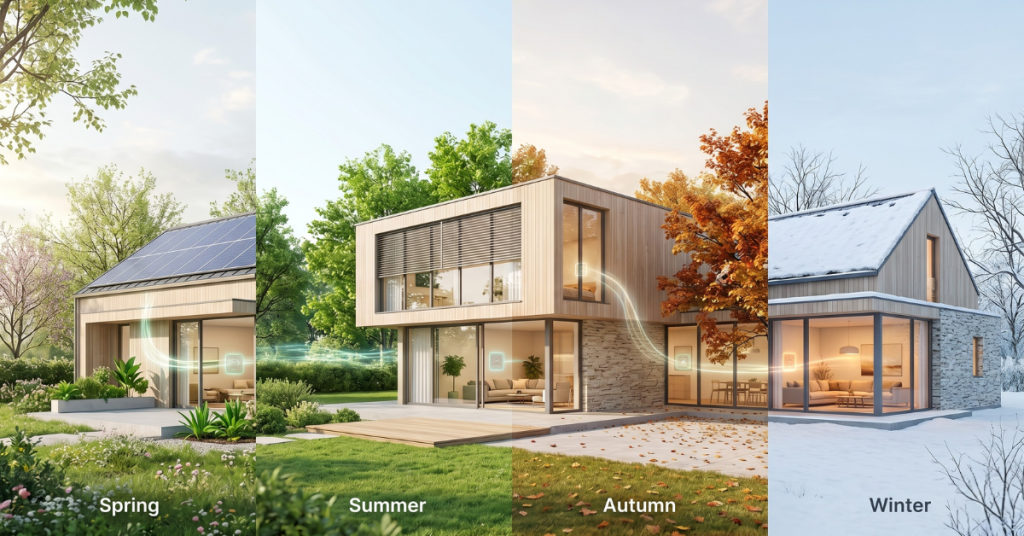
For many households, energy saving becomes a priority only when temperatures start to drop. The heating season arrives, utility bills rise, and suddenly everyone is looking for ways to reduce consumption. But modern energy optimisation should not begin in autumn and end in spring. It should work quietly and consistently throughout the entire year.
As homes become more connected and energy prices continue to fluctuate, people are starting to realise that efficient energy management is not a seasonal task. It is an ongoing process that affects comfort, costs, and sustainability every single month.
A year-round approach does not necessarily mean making dramatic lifestyle changes. Often, it is about understanding how energy behaves in your home during different seasons and using technology more intelligently to adapt.
Energy Use Changes Throughout the Year
Many people associate energy consumption primarily with heating. While heating is certainly one of the largest contributors to household energy use, it is far from the only one.
In summer, cooling systems, ventilation, and increased appliance usage can significantly impact electricity consumption. In spring and autumn, changing temperatures often lead to inefficient heating habits because systems are not adjusted properly for milder weather conditions.
The reality is simple: every season creates different energy demands.
A home that performs efficiently in January may still waste energy in June if systems are not monitored and adjusted accordingly. This is one of the reasons why static energy management approaches are becoming outdated.
Instead of reacting to high bills after they arrive, more homeowners are moving towards continuous energy optimisation strategies that help maintain balance throughout the year.
Comfort Should Not Depend on the Season
One common misconception is that energy efficiency means sacrificing comfort. In practice, the opposite is often true.
Poorly managed heating or cooling systems frequently create uneven temperatures, unnecessary humidity, or constant manual adjustments. This can make living spaces feel less comfortable even while consuming more energy.
Year-round optimisation focuses on maintaining stable indoor conditions while avoiding unnecessary energy use.
For example:
- Smarter temperature scheduling can prevent overheating during transitional seasons
- Better room-by-room control can improve comfort in different parts of the home
- Automated adjustments can reduce unnecessary energy spikes during changing weather conditions
The goal is not simply to consume less energy. The goal is to use energy more intelligently.
This is where connected home technologies are becoming increasingly valuable. Systems that learn patterns, adapt to routines, and respond to real-time conditions can help create a more balanced living environment without requiring constant user intervention.
Small Inefficiencies Become Big Costs Over Time
A thermostat set slightly too high, devices left running unnecessarily, or heating active in unused rooms may not seem significant on a single day. But across an entire year, these small inefficiencies accumulate into substantial energy waste.
Year-round optimisation helps identify and reduce these patterns before they become expensive habits.
The advantage of continuous monitoring is that improvements can happen gradually and naturally. Instead of reacting during peak energy seasons, homeowners can make smarter adjustments consistently.
This long-term perspective is becoming increasingly important as energy markets remain unpredictable across Europe.
Many households are no longer only looking for short-term savings. They are searching for stability, predictability, and better control over their consumption.
Smart Homes Are Changing Energy Expectations
The concept of a smart home has evolved significantly over the past few years. Earlier generations of connected devices often focused on convenience alone. Today, energy efficiency is becoming one of the main drivers behind smart home adoption.
Users expect systems to do more than simply switch devices on and off remotely. They expect intelligent optimisation that works in the background and supports better decision-making.
At eCozy, we have seen how homeowners increasingly value solutions that combine comfort, automation, and energy awareness in a practical way.
This shift is especially noticeable during months like June, when many people stop actively thinking about heating efficiency. In reality, summer is often the ideal time to evaluate energy habits, optimise settings, and prepare systems before colder seasons return.
A proactive approach usually leads to better long-term results than reactive adjustments made during winter peaks.
Sustainability Is Not Seasonal
Sustainability discussions often become more visible during periods of energy crisis or extreme weather. However, reducing unnecessary energy consumption should not depend on headlines or temporary concerns.
A year-round energy strategy contributes to sustainability in a more meaningful and measurable way. Consistent optimisation can help:
- Reduce overall household energy demand
- Lower unnecessary emissions
- Extend the lifespan of heating and cooling systems
- Encourage more conscious consumption habits
Importantly, sustainable living does not always require major investments or complicated renovations. Small behavioural changes, combined with smarter technologies, can already create noticeable improvements over time. The key is consistency.
Data Helps Make Better Decisions
One of the biggest advantages of modern energy systems is visibility. Many homeowners previously had little understanding of where and when energy was being consumed.
Today, connected systems provide real-time insights that allow users to make more informed decisions. Instead of guessing why bills increased, people can identify patterns more clearly:
- Which rooms consume the most energy
- When heating or cooling systems work inefficiently
- How outdoor temperatures affect indoor energy use
- Which routines create unnecessary consumption
This transparency often changes behaviour naturally. When people understand their consumption patterns, they are more likely to adjust habits without feeling forced to do so. Data-driven optimisation is becoming one of the most practical tools for improving both efficiency and comfort.
Preparing for Future Energy Challenges
Energy infrastructure across Europe continues to evolve. Regulatory changes, dynamic pricing models, and increased pressure on sustainability goals are likely to affect households more directly in the coming years.
Homes that already use intelligent energy management systems will be better prepared for these changes.
Future-ready homes are not necessarily the most complex ones. They are the homes capable of adapting efficiently to changing conditions.
A year-round optimisation mindset supports this adaptability. It encourages homeowners to think beyond temporary fixes and focus on long-term resilience.
This is especially relevant as more people work remotely, spend additional time at home, and rely more heavily on connected devices throughout the year.
Energy Optimisation Should Become Invisible
Perhaps the most effective energy systems are the ones people barely notice.
Instead of requiring constant manual control, modern solutions should quietly support comfort, efficiency, and sustainability in the background.
That is why year-round optimisation matters. It transforms energy management from a seasonal reaction into a continuous, integrated part of everyday living.
As smart home technology continues to mature, the expectation is no longer simply automation. The expectation is intelligent adaptation. And in many ways, that shift has already started.