
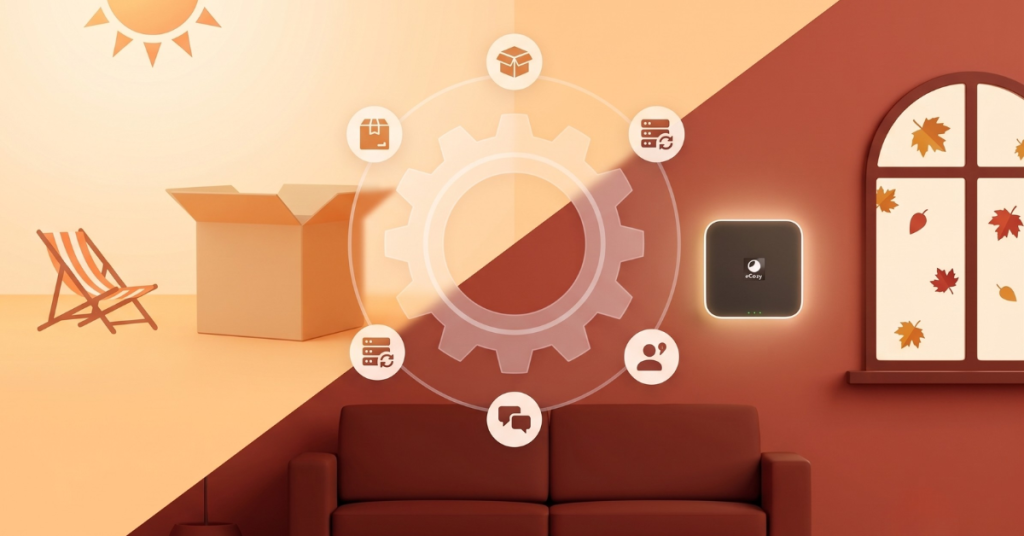
When people think about July, they usually picture summer holidays, warm weather, and outdoor activities. In the smart hardware world, especially for smart home and climate technology, July seems like a quiet month on the surface. Customers are not actively buying heating controls or winter comfort gadgets during summer heatwaves.
However, for companies that already have fully developed products on the market, July is far from an idle month. What an established hardware brand organises during these middle weeks of summer directly shapes its performance when the busy autumn season arrives.
Here is a look at why July plays an important role for existing smart hardware products, and how focused companies handle this quiet season.
| SUMMER HARDWARE TIMELINE (EXISTING PRODUCTS) | ||
| MAY – JUNE | JULY (STOCK & SOFTWARE) | SEPT – OCT |
| Initial forecasts | Inventory buffering | Demand surge |
| Partner alignment | Cloud & app maintenance | Early-bird buyers |
| Marketing setup | Channel logistics check | Autumn peak sales |
The Risk of the Summer Pause
It is easy for established brands to let operations coast during July. When daily sales for seasonal products drop, management teams sometimes delay logistics planning or slow down customer communication.
This approach can create unnecessary bottlenecks later. Even when a hardware product is already designed, tested, and active on the market, managing inventory streams and distribution channels requires constant attention. Sourcing additional finished units from warehouses, arranging freight, and coordinating with retail partners takes time.
If a company waits until late August to organise its autumn stock and sales strategy, it risks running into logistics delays just as consumer interest begins to pick up in September.
Inventory Management and Supply Logistics
For an existing product line, July is the ideal time to focus on stock distribution and warehouse logistics. Colder weather always brings a sudden spike in demand, and having inventory sitting in the wrong hub can cause missed sales opportunities.
In July, hardware brands review sales forecasts and move stock closer to key regional distribution points. They check packaging supplies, verify retail partner allocations, and confirm delivery schedules with shipping providers.
Securing freight capacity in July allows companies to avoid the high shipping rates and carrier delays that typically happen closer to the winter holidays.
Off-Season Software and Firmware Optimisation
Having a product already on the market means customer feedback is continuously available. July offers engineering teams a clear window to refine existing software, update mobile apps, and maintain cloud servers without heavy traffic.
For instance, an active smart heating solution relies on steady cloud connections and smooth app interactions. Updating app interfaces, improving connection stability, and performing routine database maintenance in July ensures everything runs seamlessly before user traffic increases in autumn. Companies like eCozy use these calm summer weeks to test server loads, update device protocols, and refine app features for their current user base.
| WHY JULY MATTERS FOR EXISTING PRODUCTS | |
| Stock Distribution | -> Prevents autumn warehouse delays |
| Server Maintenance | -> Ensures smooth app performance |
| App Engagement | -> Keeps existing users connected |
| Early Marketing | -> Reaches early-bird shoppers |
Keeping Current Users Engaged
Successful brands ensure their hardware remains useful during warm weather, keeping their app relevant every month of the year.
In July, companies highlight features that add value during the summer. For climate and heating hardware, this involves showing users indoor humidity levels, monitoring room temperatures during heatwaves, or tracking general home energy use.
When a brand operates a flexible smart home platform, users open the app regularly regardless of the temperature outside. By keeping existing customers engaged through summer, brands build trust and encourage positive word-of-mouth recommendations when friends and family start preparing their homes for winter.
Through consistent app updates and steady user support, eCozy maintains a reliable experience for customers all year round.
Capturing Early Autumn Demand
Consumer shopping habits have changed over recent years. Many homeowners do not wait for the first cold days of October to check their home heating systems. Practical buyers begin looking for home energy upgrades and smart accessories as early as late August to take advantage of off-season offers.
Companies with products ready on the shelf can capture this early demand immediately. They can launch early-bird promotions, package popular accessory bundles, and secure prominent placements on e-commerce sites well ahead of time.
Brands that delay their summer preparations often miss these early sales, leaving them to compete in a crowded market in November when online advertising costs reach their peak.
Final Thoughts
July may look like a quiet month on the surface, but for companies with established smart hardware products, it is a valuable period for operational tune-ups.
Focused brands use July to balance inventory, refine app performance, and connect with their existing user base. When the temperature drops, these companies are fully prepared to meet demand smoothly, while less prepared brands deal with inventory delays and server stress. Steady summer preparation helps active hardware brands maintain their edge year after year.