
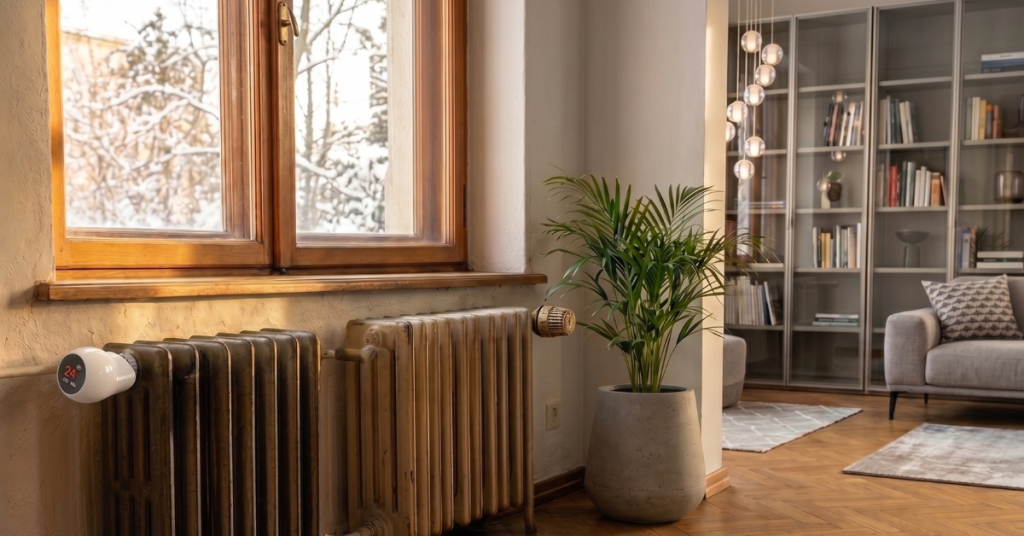
Heating accounts for roughly 70 percent of residential energy consumption in Germany. With rising grid fees, fluctuating gas tariffs, and increasing carbon pricing under the Building Energy Act (Gebäudeenergiegesetz or GEG), keeping heating expenses manageable has become a household priority across the DACH region.
Many households still rely on classic, analogue radiator dials marked 1 to 5. Others have upgraded to connected, digital heating controls. A persistent question remains: does replacing standard thermostatic radiator valves with smart hardware genuinely cut your annual Heizkostenabrechnung, or is the promised 20 to 30 percent reduction merely marketing hype?
Here is a practical, data-driven analysis of how both systems perform in German homes, from draughty Wilhelminian-era Altbau apartments to airtight modern Neubau flats.
How Traditional and Smart Thermostats Work
To understand where your money goes, it helps to look at the mechanical differences between these two devices.
Traditional Thermostat (Manual Wax/Liquid Expansion Valve):
Room air temperature causes an internal liquid or wax capsule to expand or contract. This physically pushes a valve pin to regulate water flow. While setting “3” roughly targets 20°C, it lacks timers, precision sensors, or automated setbacks.
Smart Radiator Thermostat (Electronic Sensor & Motorised Actuator):
A digital NTC temperature sensor continuously samples ambient air. A microchip processes pre-set schedules, geofencing signals, or window sensors, commanding a precise internal stepper motor to adjust the valve pin instantly.
The Standard Analogue Thermostatic Valve
Most German radiators feature a standard thermostatic head connected to an M30 × 1.5 valve pin. Inside this dial sits a liquid or wax capsule that expands as the room heats up, pushing a pin into the valve to restrict hot water flow.
The numbers on the dial correspond to target temperatures:
- Snowflake (*): Frost protection (approx. 5°C to 6°C)
- Level 1: Approx. 12°C (cellar, utility rooms)
- Level 2: Approx. 16°C (bedrooms)
- Level 3: Approx. 20°C (living rooms, home offices)
- Level 4: Approx. 22°C to 24°C (bathrooms)
- Level 5: Approx. 28°C (maximum open valve)
A common misconception is that turning the knob to 5 heats a cold room faster. It does not. The hot water enters the radiator at the same flow temperature (Vorlauftemperatur); turning the knob to 5 simply ensures the valve stays fully open until the room reaches an uncomfortable and wasteful 28°C.
The Smart Electronic Radiator Thermostat
A smart radiator valve replaces the analogue dial with an electronic actuator and a digital temperature sensor. Instead of relying on manual adjustments, it uses microprocessors, wireless connectivity, and automated heating schedules.
Key technical advantages include:
- Precision Temperature Control: Setting a digital target (such as 20.5°C) eliminates the ±2°C drift typical of mechanical wax expansion heads.
- Granular Time Schedules: Heat runs only when rooms are occupied, automatically dropping back to setback temperatures (Absenktemperatur) during work hours or overnight.
- Window-Open Detection: When airing out rooms (Stoßlüften), the device detects sudden temperature drops and shuts the valve to prevent heating the outdoors.
- Geofencing & Remote Management: The system lowers temperatures when occupants leave the home and warms the property before their return.
The Economics: Do Smart Thermostats Actually Save Money?
Energy savings depend heavily on building insulation, heating systems, and user discipline.
Independent testing by bodies like Stiftung Warentest and studies from the Fraunhofer Institute for Building Physics (IBP) show that smart heating controls typically reduce space heating demand by 8 to 18 percent under real-world living conditions.
Average Annual Heating Cost (80 m² Flat, Gas Heating, ~1,400 € / Year):
- Unoptimised Manual Dial (Constant Setting 3 to 4): 1,400 €
- Disciplined Manual Control (Strict Manual Adjustments): 1,290 €
- Smart Thermostats (12% Realistic Average Reduction): 1,232 €
- Smart Thermostats + Window Sensors in Altbau (16% Reduction): 1,176 €
The general rule in German building physics is straightforward: lowering the room temperature by 1°C reduces heating energy demand by approximately 6 percent.
Where the Savings Actually Come From
- Eliminating Unintended Overheating: Manual thermostats respond slowly. Rooms regularly reach 22°C when 20°C was intended, adding 12 percent to your consumption.
- Automating the Night Setback: Many residents forget to turn down radiator dials before going to bed. Lowering the setpoint to 16°C for seven hours every night provides sustained energy savings across the entire heating period (Heizperiode).
- Targeted Room Zoning: Heating a guest bedroom or home office only between 08:00 and 17:00 on weekdays stops you from paying to heat unused space.
High-quality hardware ecosystems, such as eCozy, focus on combining responsive digital motors with intuitive scheduling to ensure these temperature adjustments happen seamlessly without requiring constant manual intervention.
Altbau vs Neubau: Where Do Smart Thermostats Make the Biggest Impact?
The age and construction standard of your property play a decisive role in return on investment.
Altbau (Built Pre-1980):
- High ceilings (3 metres or more)
- Significant heat transmission loss through uninsulated walls
- Fast thermal reaction time from radiators
- Realistic savings potential: 12% to 20%
Neubau (KfW 40 / 55 Standard):
- Standard ceiling heights, airtight exterior envelope
- Minimal transmission heat loss
- High thermal inertia, often paired with underfloor heating
- Realistic savings potential: 4% to 8%
The German Altbau: High Potential, Immediate Payback
Uninsulated or partially renovated period buildings (Altbau) have high thermal transmission losses through external walls and large window surfaces.
Because classic radiators in an Altbau cool down and reheat relatively quickly, automated temperature setbacks deliver immediate savings. Lowering temperatures by 3°C during the eight hours you spend at work prevents substantial heat from escaping through older building facades.
Furthermore, smart window sensors provide high value here by closing valves during mandatory morning Stoßlüften, avoiding massive energy waste.
The Modern Neubau: Lower Percentage Gains
Modern homes conforming to current GEG and KfW standards possess thick insulation, triple-glazed windows, and often underfloor heating (Fußbodenheizung).
Because a well-insulated building loses heat very slowly, aggressive temperature setbacks produce smaller savings. Additionally, hydronic underfloor heating systems have a thermal reaction lag of two to four hours, making rapid temperature adjustments counterproductive.
In a Neubau, smart systems provide comfort, central control, and overheating protection from solar gains, but annual financial savings remain modest.
Direct Feature Comparison
| Feature / Metric | Traditional Radiator Thermostat | Smart Radiator Thermostat |
| Initial Cost per Radiator | 10 € to 25 € | 40 € to 85 € |
| Installation Effort | Requires manual unscrewing | Tool-free DIY swap (M30 × 1.5 thread) |
| Temperature Precision | Approximated (1 to 5 scale) | Exact (0.5°C digital increments) |
| Scheduling Automation | None (100% manual reliant) | Multi-point daily/weekly schedules |
| Window-Open Reaction | Continues heating while cold air enters | Closes valve automatically |
| Remote Control & Geofencing | Not available | Supported via smartphone application |
| Maintenance | None (mechanical lifespan 15+ years) | Battery replacement every 1 to 2 years |
| Average Payback Period | Baseline reference | 1.5 to 3 heating seasons |
Practical Setup in German Rental Properties (Mietwohnungen)
Over half of the German population lives in rented accommodation. Upgrading heating hardware often causes concern regarding rental contracts and deposit deductions.
Step-by-Step Tenancy Installation:
- Unscrew the old analogue thermostat collar by hand or with a slip-joint plier, keeping the head safe in storage.
- Attach the smart thermostat using the appropriate valve adapter (such as Danfoss RA/RAV/RAVL or standard M30 × 1.5).
- Insert batteries and complete the automated calibration cycle.
- On moving out: Remount the original analogue heads in under 15 minutes without leaving any marks.
Because smart radiator heads screw directly onto existing valve bodies without bleeding radiators, releasing system water, or altering pipework, tenants do not require landlord permission (Vermieterzustimmung) to install them.
Retain your original analogue heads in a storage box. When moving out, reinstall the mechanical heads in minutes and take your smart devices to your next home.
Key Mistakes That Cancel Out Potential Savings
Smart thermostats alone cannot overcome poor heating habits. Avoid these common mistakes:
- Setting Setbacks Too Low in Cold Weather: Allowing an uninsulated room to drop below 15°C forces the heating system to work under heavy load to restore comfort. In poorly ventilated spaces, walls dropping below 12.6°C can trigger condensation and mould growth (Schimmelbildung).
- Tilting Windows Continuously (Kipplüften): Leaving windows tilted for hours while the heating runs cools down the surrounding masonry. Smart algorithms cannot fully compensate for continuous ventilation losses; quick, five-minute shock ventilation remains essential.
- Ignoring Valve Limescale & Sticking Pins: Older radiator valves often suffer from stuck valve pins (Ventilstift). Check that the small metal pin depresses smoothly before mounting any electronic head to ensure the motor can open and close the channel completely.
- Neglecting Heating System Balancing: For optimum performance, modern smart valves should work alongside a properly calibrated heating system where hydraulic balancing (hydraulischer Abgleich) ensures equal water distribution across all radiators.
When selecting an upgrade path, modern solutions from brands like eCozy deliver clear user interfaces that guide homeowners and tenants through proper setback thresholds, preventing common configuration errors.
The Verdict
If you live in an uninsulated or moderately insulated German flat with standard radiators, smart thermostats are one of the most cost-effective energy retrofits available. The combination of automated schedules, precise target temperatures, and window detection yields dependable annual savings between 10 and 15 percent, amortising the purchase price within two to three winters.
Conversely, if you live in an ultra-efficient KfW 40 home or already exercise disciplined, twice-daily manual adjustments across every single radiator in your home, the financial gains will be minimal, and the upgrade should be viewed primarily as a comfort enhancement.